
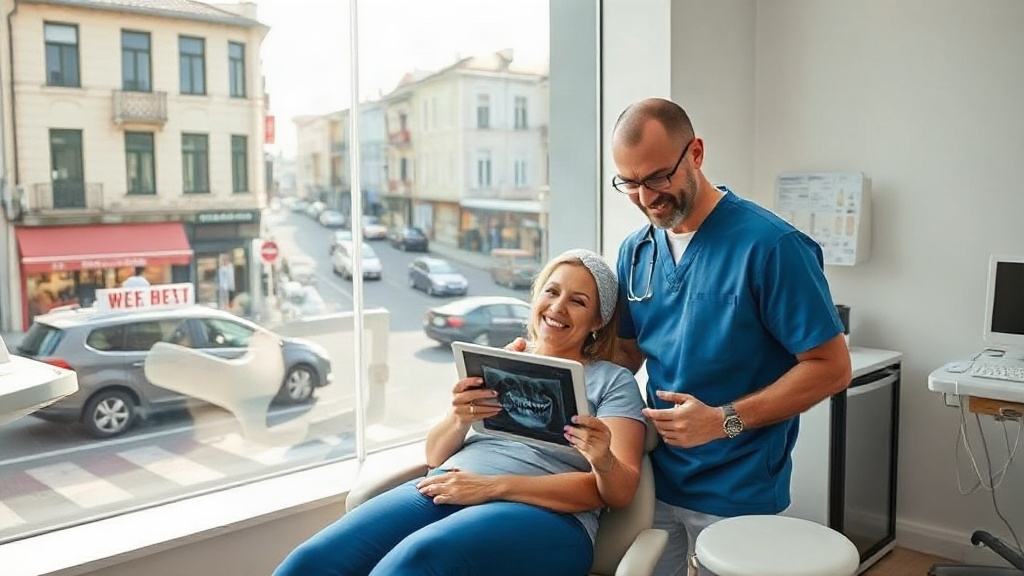
When I first heard about dental implants, I was sitting in a dentist's office in London, staring at a quote that made my eyes water. The price for a single implant was more than my monthly rent. A friend suggested I look into dental implants Turkey, and I'll be honest: I was skeptical. But after months of research and eventually going through the process myself, I discovered that the reality is far more nuanced than the glossy ads suggest. This isn't a sales pitch. It's what I wish someone had told me before I booked my flight.
The Real Cost of Dental Implants in Turkey
Let's cut to the chase: the price difference is staggering. In the UK, a single implant can cost £2,000 to £3,000. In Turkey, the same procedure often ranges from £500 to £900, and that's including the abutment and crown. But here's what the brochures don't mention: the quality of materials and the experience of the surgeon vary wildly. I learned to ask specific questions: Which implant brand do you use? (Straumann and Nobel Biocare are reputable.) How many implants does the surgeon place per year? What's the sterilization protocol? The cheap packages you see online often cut corners on aftercare or use low-grade titanium. My advice: don't choose solely on price. Look for a dental centre Turkey that is transparent about its materials and provides a detailed treatment plan before you pay anything.
What's Included in a Typical Package?
Most clinics offer all-inclusive packages: airport transfer, hotel, translations, and the procedure itself. But read the fine print. Some packages only cover the implant fixture, not the crown. Others charge extra for bone grafts or sinus lifts, which many patients need. I needed a sinus lift on one side, and it added £300 to my bill. It was still far less than the UK, but it was a surprise. Ask for a breakdown of every possible extra so you can budget accordingly.
The Timeline: What to Expect Month by Month
One of the biggest misconceptions is that you can fly in, get implants, and fly out with a new smile in a week. That's only true for the initial surgery. The full process takes months. Here's how it went for me:
- Month 0: Consultation and CT scan. I sent my X-rays to the clinic in advance and had a video call with the surgeon. He confirmed I was a candidate and outlined the plan.
- Month 1: First trip to Turkey. The implant fixtures were placed under local anesthesia. The surgery took about an hour per implant. I stayed in Istanbul for five days to let the initial healing begin.
- Months 2-4: Osseointegration, where the implant fuses with the jawbone. I was back in the UK, eating soft foods and avoiding anything crunchy.
- Month 5: Second trip. The abutments and temporary crowns were fitted. This was a quick visit, just three days.
- Month 6: Final trip. The permanent crowns were placed. I finally saw my full smile.
Some clinics offer one-visit solutions with immediate loading, but that's not suitable for everyone. If a clinic promises a full set of implants in one week, be cautious. It might work for some, but it's not the norm.
Why the Waiting Period Matters
The healing time isn't a scam to make you travel twice. It's biology. Your jawbone needs to accept the titanium implant as part of your body. Rushing this can lead to implant failure, which is far more costly than the extra flights. I met a patient who had immediate implants and ended up with an infection that required removal. She had to start over. So, while it's tempting to get everything done quickly, trust the process.
Choosing the Right Clinic: Red Flags and Green Lights
Not all clinics are created equal. I visited three in Istanbul before deciding. Here's what I looked for:
- Accreditation: Look for ISO certifications and affiliations with international dental associations. The clinic I chose was a member of the Turkish Dental Association and had a JCI-accredited hospital nearby for emergencies.
- Surgeon's experience: Ask how many years they've been placing implants and how many they do annually. My surgeon had 15 years of experience and placed over 500 implants a year. He also showed me before-and-after photos of real patients (with consent).
- Communication: The clinic should respond to emails promptly and answer all your questions without pressure. If they push you to book immediately or offer a discount that expires in 24 hours, walk away.
- Aftercare: What happens if something goes wrong when you're back home? A good clinic will have a partner dentist in your country or provide emergency contact. Mine gave me a direct line to the surgeon and a list of UK dentists who could help if needed.
I also checked reviews on independent forums like RealSelf and Trustpilot, not just the testimonials on the clinic's website. Some clinics post fake reviews, so look for detailed stories that mention both pros and cons.
The Importance of a Good Dental Centre Turkey
The term dental centre Turkey is often used loosely. Some are small clinics with one dentist; others are large hospitals with a team of specialists. I opted for a mid-sized centre that had its own lab on-site. This meant my crowns were made in-house, which reduced the risk of miscommunication and saved time. If a clinic outsources its lab work, ask where and how long it takes. Delays can leave you stuck in Turkey longer than planned.
Aftercare: The Part That Determines Long-Term Success
The surgery is just the beginning. How you care for your implants in the first year determines whether they last 10 years or a lifetime. My surgeon gave me a detailed aftercare routine:
- Oral hygiene: Use a soft-bristled toothbrush and a water flosser. Regular floss can scratch the implant surface.
- Diet: Avoid hard, sticky, or crunchy foods for the first three months. No biting into apples or chewing ice.
- Check-ups: See your local dentist every six months for a professional cleaning and X-ray to check bone levels.
- Smoking and alcohol: Both impede healing. I quit smoking two weeks before surgery and didn't touch alcohol for a month. It made a noticeable difference in my recovery.
I also invested in a night guard because I grind my teeth. Grinding can put excessive pressure on implants and cause them to fail. It cost me £150, but it's cheaper than replacing an implant.
Potential Risks and How to Minimize Them
No surgery is risk-free. The main risks with implants are infection, nerve damage, and implant rejection. To minimize these, choose an experienced surgeon, follow aftercare instructions religiously, and don't rush the timeline. I had a minor infection in the first week, but I caught it early because I was monitoring the area. A quick course of antibiotics cleared it up. If I had ignored the swelling, it could have been much worse.
Frequently Asked Questions
How long do dental implants last?
With proper care, implants can last 20 years or more. The crown may need replacement after 10-15 years due to wear, but the implant itself often lasts a lifetime. Research shows a 95% success rate over 10 years for implants placed by experienced surgeons.
Is the quality of dental implants in Turkey as good as in the UK?
Yes, if you choose a reputable clinic. Many Turkish clinics use the same implant brands as UK clinics (Straumann, Nobel Biocare, Astra Tech). The key is to verify the brand and the surgeon's credentials. Some clinics use cheaper, lesser-known brands, which may have lower success rates. Always ask for the brand name and research it.
What if I need a bone graft?
Bone grafting is common for patients who have been missing teeth for a while. It adds to the cost and timeline. In Turkey, a bone graft can cost £200-£500, compared to £500-£1,000 in the UK. The graft takes 4-6 months to heal before implants can be placed, so factor that into your planning.
Can I get dental implants in Turkey if I have gum disease?
Active gum disease must be treated before implant surgery. Some clinics in Turkey offer treatment for gum disease as part of the package, but you'll need to be cleared by a periodontist. If you have a history of gum disease, be upfront with your surgeon and follow their pre-treatment advice.
How do I find a trustworthy dental centre in Turkey?
Start by researching clinics that have international accreditation, such as ISO or JCI. Look for surgeons who are members of recognized dental associations. Read reviews on independent platforms. Ask for a video consultation and a detailed treatment plan. Don't be afraid to ask for references from past patients. A trustworthy clinic will welcome your questions and provide transparent answers.
Going abroad for dental work is a big decision. It worked out well for me, but it required diligence. I saved over £5,000 and got a smile I'm proud of. If you're considering dental implants Turkey, take your time, do your homework, and don't let the low prices blind you to the importance of quality. Your health is worth the extra effort.