
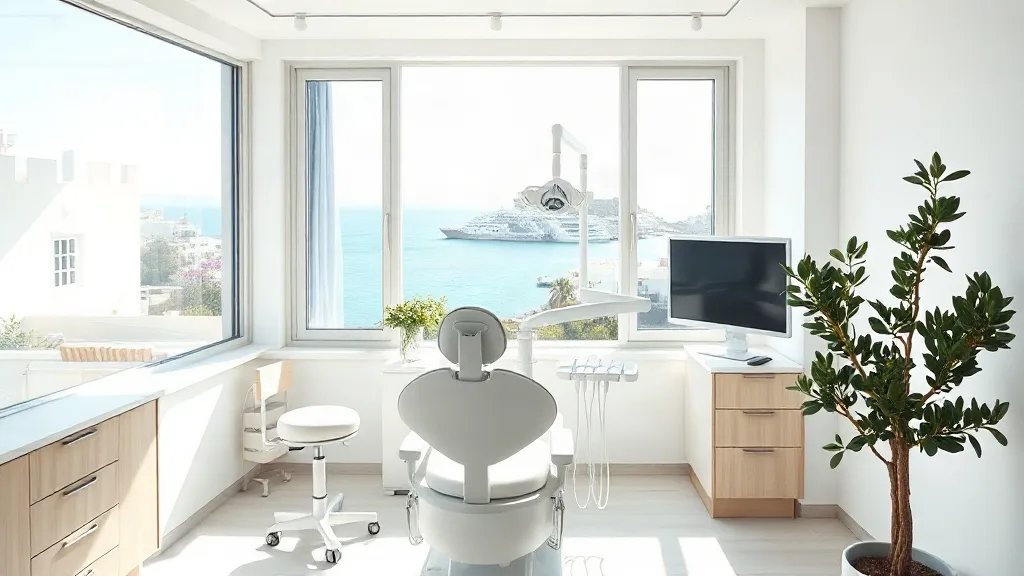
You are stretched out on a sun lounger in Gumbet, the bay glittering in front of you, and somewhere in the back of your mind sits that nagging tooth. Maybe it is a crown that has been loose for months, maybe it is the whitening you keep postponing at home, or maybe you simply want a check-up without waiting weeks for an appointment. Whatever brought you here, finding a reliable gumbet dentist is more straightforward than most visitors expect, provided you know what to look for and how to plan the days around your treatment.
Bodrum has quietly become a destination where dental care and a seaside holiday sit comfortably side by side. The peninsula draws thousands of British, Irish and European visitors every summer, and a good number of them combine a fortnight in the sun with treatments that would cost considerably more at home. The catch is that not every practice is equal, and a little preparation makes the difference between a smooth experience and a stressful one.
Why Bodrum Has Become a Dental Destination
The appeal is not complicated. Turkey has invested heavily in modern dental infrastructure over the past two decades, and the Bodrum peninsula benefits from that investment. Clinics here tend to be small to mid-sized, often run by dentists who trained in Turkey and sometimes abroad, and many employ English-speaking coordinators who handle the admin side of your visit.
What surprises first-time visitors most is the pace. A treatment plan that might stretch across six weeks in the UK can often be compressed into a single trip because appointments can be scheduled on consecutive days. That does not mean every procedure should be rushed. It means the logistics are easier when the clinic is a ten-minute walk from your hotel rather than a train ride across a city.
Cost is the other obvious factor, though it deserves a caveat. Savings are real, but they vary enormously by treatment and by clinic. Anyone quoting a figure that sounds too good to be true is probably cutting corners on materials, sterilisation or the time a dentist spends with you. Treat unusually low prices as a prompt to ask more questions, not as a reason to book immediately.
Choosing a Clinic in Gumbet and Around the Peninsula
Gumbet itself is compact, a strip of hotels, bars and beachfront that runs along the bay just south of Bodrum centre. Dental practices in the area cater heavily to holidaymakers, which means they are used to short-notice bookings and tight itineraries. A typical gumbet dentist will offer check-ups, fillings, crowns, veneers, whitening and emergency care, with implant work often handled in partnership with a larger clinic nearby.
Neighbouring Bitez, a quieter resort a short drive west, has its own cluster of practices that appeal to visitors staying in the bay's hotels and villas. A bitez dentist is often a practical choice if you are based on that side of the peninsula and do not want to travel into Bodrum for every appointment. The two areas are close enough that many patients mix and match, seeing whoever can fit them in first.
What to Check Before You Book
- Registration and qualifications: ask which body the dentist is registered with and whether they can show certification for any specialist work.
- Sterilisation standards: a reputable clinic will happily show you the sterilisation room or explain the process without hesitation.
- Written treatment plan and quote: you should receive both in writing, itemised, before anything begins.
- Materials and brands: ask which implant system or veneer brand is used. Established European brands are easier to maintain if something needs attention later.
- Aftercare and warranty: clarify what happens if a problem arises once you are back home, and get the warranty terms in writing.
- Language support: confirm that someone can explain the procedure to you in English, not just handle the booking.
Planning Treatment Around Your Holiday
The single most useful piece of advice is to book a consultation early in your trip, ideally within the first day or two. A dentist needs to examine you, sometimes take X-rays, and discuss options before any work starts. Leaving that until day ten of a fourteen-day holiday leaves very little room for the unexpected.
Most simple treatments fit comfortably into a holiday schedule. A check-up and clean takes under an hour. A filling is usually a single appointment. Whitening can be done in the clinic in one session or with trays you take away. Crowns and veneers need more planning because they typically involve impressions, a laboratory stage and a fitting appointment, so allow at least five to seven working days if you want everything finished before you fly home.
A Realistic Timeline for Common Treatments
- Check-up and hygiene appointment: one visit, roughly 45 to 60 minutes.
- Composite filling: one visit, usually 30 to 45 minutes depending on the tooth.
- In-clinic whitening: one session of about an hour, with sensitivity advice afterwards.
- Single crown: two to three visits spread across five to seven days to allow for laboratory work.
- Veneers: similar laboratory timeline, often two appointments plus a review.
- Dental implant: the placement itself can be done during your trip, but the final crown usually requires a second visit months later once the implant has integrated with the bone.
Implants deserve a special mention because they are the treatment most often misunderstood by holiday patients. The surgery is only part of the process. Healing takes time, and a responsible dentist will tell you plainly that the whole sequence cannot be completed in a single week, however tempting the brochure makes it sound. Anyone promising otherwise is worth walking away from.
Practical Matters for Visiting Patients
Travel insurance rarely covers planned dental treatment, so budget for the full cost yourself and keep receipts. If you have dental insurance at home, check in advance whether it reimburses treatment abroad, and ask the clinic for an itemised invoice with procedure codes, which most insurers require.
Bring any relevant records with you: recent X-rays, a list of medications, and details of allergies. If you take blood thinners or have a condition such as diabetes, tell the dentist at the consultation rather than on the day of treatment. This is not a formality. It genuinely changes how certain procedures are planned.
Give yourself a recovery buffer. After an extraction or implant placement, you will not want to be on a boat trip the next morning, and flying too soon after certain procedures is unwise. Schedule demanding treatments earlier in the trip and keep the final days free for swimming, eating comfortably and enjoying the peninsula without a numb lip.
Making the Most of Your Trip
It helps to think of dental care in Bodrum as one part of a well-planned holiday rather than the whole point of it. Book your consultation early, keep a written plan and quote, ask direct questions about materials and aftercare, and leave room in your itinerary for rest. Do that, and a visit to a gumbet dentist or a bitez dentist becomes a routine errand rather than a source of anxiety, with the Aegean waiting outside the door when you are finished.
Frequently Asked Questions
Can I get dental treatment in Gumbet without booking far in advance?
Many clinics keep slots open for visitors and can often see you within a day or two, especially outside the busiest weeks of July and August. That said, booking a week or two ahead by email gives you more choice of times and lets the clinic prepare a preliminary plan based on photos or X-rays you send in advance.
How much can I realistically save compared with UK prices?
Savings vary widely by treatment and clinic, and it is misleading to quote a single percentage. The honest approach is to request written quotes from two or three practices, compare what is included, and factor in flights and accommodation. If the total still works out in your favour and the clinic answers your questions clearly, the numbers make sense.
Is it safe to have a tooth extracted before flying home?
Generally yes, provided you allow a few days before your flight and the extraction was straightforward. Dentists usually advise waiting around 48 to 72 hours, and longer if there were complications. Book extractions early in your trip so you are not boarding a plane the morning after surgery.
What should I do if a crown or filling causes problems after I return home?
Contact the clinic first. Reputable practices offer warranties and will often cover the cost of a repair with a local dentist, or invite you back if a return trip is already planned. Keep your treatment records and the warranty document in a safe place, and photograph any visible problem before you contact them.
Do clinics in Bitez and Gumbet speak English?
The majority that cater to international visitors do, at least at reception and coordination level. Ask specifically whether the dentist conducting your treatment speaks English, since that is the conversation that matters most when discussing risks, options and aftercare instructions.