
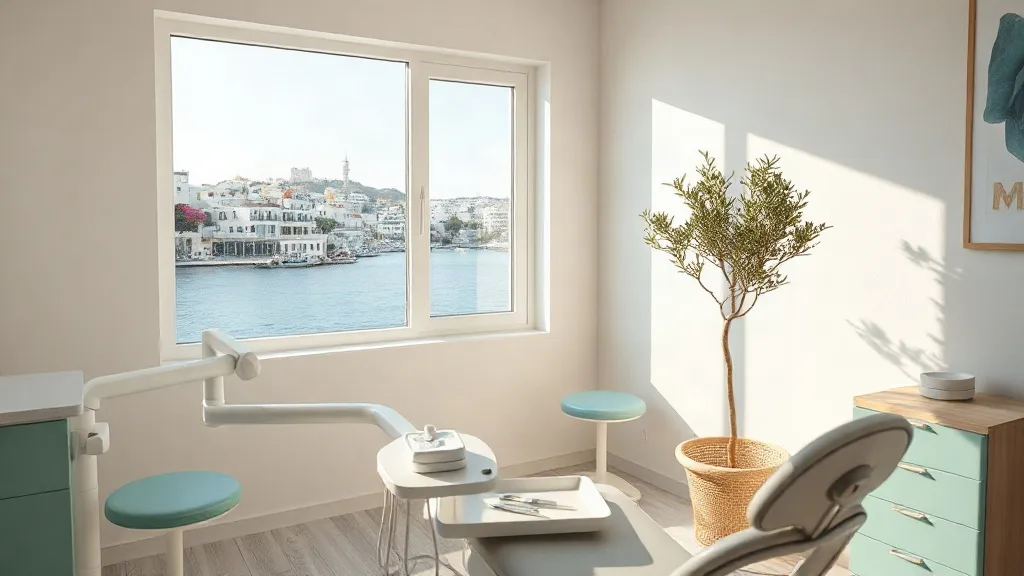
You booked the flight, found a hotel a short walk from the water in Gumbet, and then a molar started aching two days before departure. Or maybe nothing hurts at all, and you simply realised that a week by the Aegean is a good moment to finally deal with a chipped front tooth. Either way, you are now looking for a gumbet dentist, and the search results are a mix of polished clinic websites, hotel concierge recommendations and forum threads from 2016. This guide is written for that exact situation: a visitor who needs honest, practical information rather than marketing promises.
Bodrum is not a single town but a peninsula made of small resort areas, each with its own character and its own dental practices. Gumbet sits just south of Bodrum centre and is the liveliest of them, packed with hotels, bars and beach clubs. Bitez, a few kilometres west, is quieter, greener and known for its long curved bay and citrus gardens. Understanding that geography matters more than you might think, because where you stay shapes which clinic you can realistically reach for a follow-up appointment.
Why visitors look for dental care in Gumbet and Bitez
Turkey has become a well-known destination for dental treatment, but most of the public conversation focuses on large specialist hospitals in Istanbul and Antalya. The Bodrum peninsula works differently. Clinics here are generally smaller, often run by dentists who live on the peninsula year-round, and they serve a mix of local families, seasonal residents and tourists. That mix produces a particular style of practice: appointments are flexible, English is commonly spoken, and treatment plans tend to be pragmatic.
For a visitor, the appeal is obvious. You are already here, you have free hours between beach and dinner, and a problem that would mean weeks of waiting at home can often be assessed the same day. What you should not assume is that a holiday appointment is automatically cheaper or faster than at home. It can be, especially for straightforward work, but the real advantage is convenience and access, not a guaranteed discount.
The difference between a resort clinic and a city clinic
A clinic in a resort area is built around people whose time on the peninsula is limited. That means shorter courses of treatment, more same-day diagnostics and a willingness to prioritise whatever is urgent. A city clinic in Bodrum centre may have more specialist equipment on site and easier access to a dental laboratory. If your case is complex, the two environments are not interchangeable, and a good dentist will tell you so rather than trying to keep you in the chair.
The same logic applies if you are staying further west and searching for a bitez dentist. Bitez is calmer, and clinics there often have more breathing room in their daily schedule, which can suit nervous patients or anyone who wants a longer consultation rather than a rushed ten-minute check.
What can realistically be done during a holiday
The most useful question to ask before you book anything is not "what is the price" but "what fits inside my remaining days". Dental work divides fairly neatly into three groups on that basis.
- Single-visit treatments: examinations, X-rays, fillings, scaling and polishing, emergency pain relief, recementing a crown, and simple extractions. These are the backbone of tourist dentistry and are usually completed within one or two appointments.
- Short courses: root canal treatment on a straightforward tooth, a small number of crowns if a local laboratory is quick, or a professional whitening course. These need planning and a buffer of a few days.
- Longer programmes: implants, multiple crowns, full smile redesigns and orthodontics. These involve healing time measured in weeks or months and cannot be compressed into a holiday, whatever anyone tells you.
A common and sensible compromise is to have the urgent work done here and the elective work planned for a return trip. Clinics on the peninsula see this often and are usually comfortable handing over clear records, X-rays and a written treatment summary that your dentist at home can continue from.
Emergencies versus elective treatment
If you are in pain, swollen, bleeding, or have knocked a tooth, treat it as urgent and contact a clinic the same day. Most practices keep slots open for exactly this. If you are not in pain and are considering a cosmetic change, slow down. A holiday is a poor moment to make a permanent decision about your front teeth under time pressure, and a good dentist will encourage a second conversation rather than a same-day commitment.
How to judge a clinic before you sit in the chair
Advertising is not a reliable filter in resort towns anywhere in the world. Instead, look for signals that are harder to fake.
- Clear identity. You should be able to find the dentist's full name, their registration and their actual qualifications, not just a brand name and a stock photo.
- Written treatment plans. Ask for the plan, the number of visits and the cost in writing before treatment starts. Verbal estimates that shift halfway through are a warning sign.
- Sterilisation you can see. You do not need to audit the practice, but instruments should be unpacked in front of you and single-use items should genuinely be single-use.
- Honest limits. A clinic that says "this needs a specialist, and here is who I would refer you to" is more trustworthy than one that claims to do everything perfectly.
- Realistic timelines. Anyone promising a full mouth reconstruction in five days is selling you something other than dentistry.
It also helps to visit in person before committing. A short walk-in to ask about availability, see the reception and watch how the team talks to patients tells you more than an hour of browsing.
Costs, insurance and paperwork
Prices in Bodrum vary considerably between practices, and quoting figures here would be misleading because they change with the exchange rate and with the materials used. What you can do is prepare properly.
Ask for a written quote that separates examination, imaging, materials and laboratory work. Check whether the price includes follow-up visits and what happens if something needs adjusting after you fly home. Keep every receipt and the treatment report, because many travel insurance policies will consider emergency dental treatment abroad up to a stated limit, but almost none will cover work you chose to have done while on holiday. Read your policy wording carefully before assuming you are covered.
If you have dental insurance at home, contact them before treatment to confirm whether pre-authorisation is needed. It is a boring fifteen minutes that can save a long argument later.
Aftercare when the weather is hot
Recovering from dental treatment in a holiday resort requires a little more care than recovering at home, mainly because the environment works against you.
Eating, drinking and swimming
After a filling or extraction, follow the clinic's instructions on when to eat and which foods to avoid. Soft, cool food is easier for the first day. Alcohol and very hot drinks are best skipped while numb, since you can burn or bite yourself without noticing. Swimming in the sea or a hotel pool should wait until any wound has closed and your dentist has cleared you, because pool water and sea water are both full of things you do not want in a fresh socket.
Sun, smoking and healing
Sun exposure is not directly harmful to a filling, but dehydration and overheating make anyone feel worse, and smoking slows healing significantly, particularly after an extraction. If you have had a surgical procedure, treat the next two days as recovery days rather than beach days. Plan your appointment towards the start of your trip so that any adjustment can happen before you leave, not the morning of your flight.
Practical questions to ask on the phone
Before booking, call or message the clinic and ask: do you speak English fluently, how many visits will this need, can I have the plan and price in writing, do you have a dentist available on my departure date if something goes wrong, and can you send my records to my dentist at home? The answers will tell you a great deal about how the practice operates.
Frequently asked questions
Can I get a same-day appointment in Gumbet as a tourist?
Often yes, particularly for pain and emergencies, because resort-area clinics keep space for visitors. It is still worth calling early in the morning rather than walking in at closing time, and mentioning that you are leaving on a specific date so the dentist can prioritise correctly.
Is dental treatment in Bodrum cheaper than in the UK?
It frequently is, but the gap is not as dramatic as advertised packages suggest, and price should not be your only criterion. Compare the full written quote including materials and follow-up, then weigh that against the cost and hassle of a return trip if something needs revisiting.
How many days should I leave between treatment and my flight?
For simple fillings and cleaning, a day is usually enough. After an extraction or any surgical work, allow at least two or three days if you can, since changes in air pressure and long journeys are more comfortable once initial healing has begun. Discuss your flight date with the dentist before treatment starts.
Will my dentist at home be able to continue the treatment?
Usually yes, provided you leave with proper records. Ask for copies of X-rays, a written description of what was done and which materials were used. A short email from the clinic summarising the work is often the most useful document of all.
What should I do if a crown comes loose on holiday?
Keep the crown safe, avoid chewing on that side and contact a clinic rather than trying to glue it back yourself with household products. Recementing is quick and inexpensive, but the underlying tooth needs checking, and a dentist should confirm nothing is fractured before it is stuck back in place.